
Tech innovation ecosystem
Exploring the convergence of digital transformation technologies across enterprise environments
The technological landscape is evolving across enterprise environments, creating new opportunities for business innovation and operational excellence. Artificial intelligence, quantum computing, and extended reality technologies are moving beyond isolated experimentation to support enterprise strategy. Organizations leveraging these technologies can strengthen decision-making capabilities and streamline operational processes.
Digital transformation strategies
Business process optimization through integrated technology frameworks
Enterprise systems Solutions
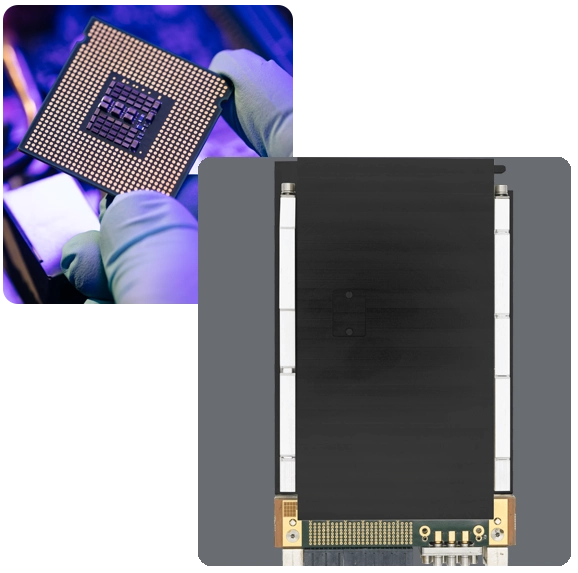
VPX AV153 Agilex 9 Board : a key asset for advanced RF systems
The VPX AV153 Agilex 9 board on reflexces.com is a crucial asset for advanced RF systems, offering high-performance signal processing capabilities suitable for demanding defense, aerospace and telecommunications applications. Based on Intel’s Agilex 9 FPGA, this board combines exceptional computing power, low latency and enhanced energy efficiency for real-time RF signal acquisition and processing. Its VPX format ensures seamless integration into high-speed embedded systems, while its high-bandwidth connectivity supports complex RF applications such as electronic warfare, radar and software-defined radio. Thanks to its advanced architecture and flexibility, the VPX AV153 Agilex 9 supports next-generation RF technologies.

High-Performance
FPGA
Built around Intel Agilex 9 FPGA, offering enhanced processing power, low latency, and power efficiency.
Enhanced Data Connectivity
Supports high-speed interfaces such as PCIe Gen4, 100GbE, and optical interconnects.
Artificial intelligence implementation
Machine learning applications enhancing operational efficiency and decision support
Artificial intelligence is increasingly integrated as an operational component of enterprise systems. Machine learning models now process vast datasets to identify patterns and generate insights that inform strategic decisions. Natural language processing enables sophisticated interactions between humans and machines, while computer vision systems automate quality control processes and enhance security monitoring. These technologies support enterprise AI deployment across industries to improve efficiency and create new capabilities.

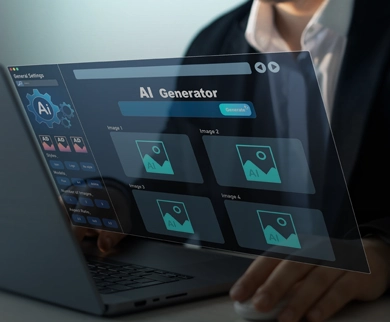
Generative AI applications
Content creation automation


Predictive analytics systems
Demand forecasting optimization

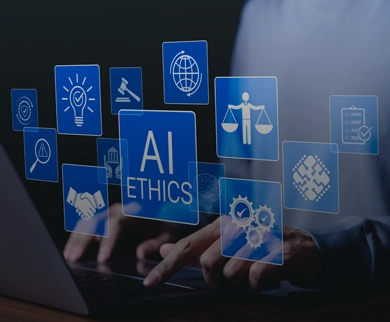
AI governance frameworks
Ethical AI implementation
Software Development Methodologies
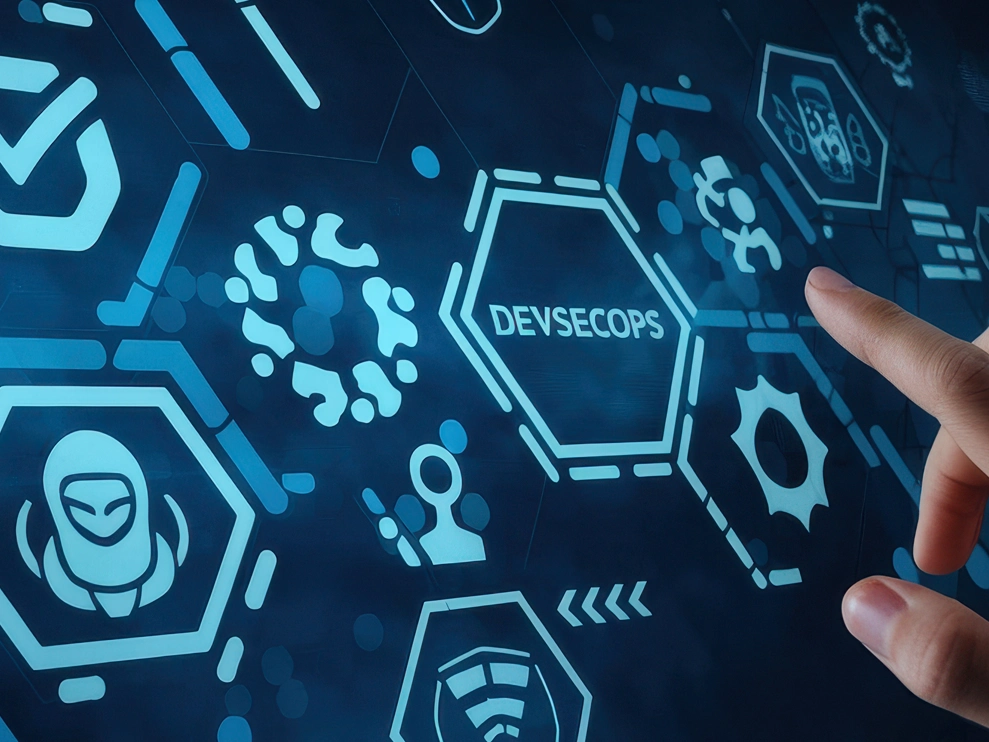
Enhancing development lifecycle with automated testing & DevSecOps
Software development practices increasingly incorporate security throughout the development lifecycle rather than treating it as a separate phase. DevSecOps methodologies integrate security testing and compliance verification into automated pipelines, ensuring vulnerabilities are identified and addressed early. Low-code and no-code platforms broaden access to application development, enabling business users to create solutions without extensive programming knowledge while allowing professional developers to focus on more complex challenges.
Continuous Integration Practices
API-First Development Approach
Infrastructure as Code Implementation
Gaming Technology Advancements
Interactive entertainment evolution through immersive experiences and cloud delivery
The gaming industry has been revolutionized by cloud gaming platforms that eliminate hardware constraints, allowing players to access high-fidelity experiences across various devices. Ray tracing technology creates photorealistic lighting and reflections that enhance immersion, while procedural generation algorithms create vast, dynamic worlds that adapt to player actions. Cross-platform development frameworks enable studios to deploy games across multiple systems simultaneously, reaching broader audiences while maintaining consistent experiences.

01
Virtual reality gaming environments
Haptic feedback systems create tactile sensations that correspond to in-game actions, deepening immersion and adding responsive feedback in multiplayer scenarios.


02
Augmented reality integration
Location-based augmented reality games blend digital content with physical environments, creating interactive experiences that encourage exploration and social interaction in real-world settings.

03
Cross-platform gaming ecosystems
Game streaming services utilize edge computing to reduce latency and provide responsive gameplay experiences across different end-user device capabilities or locations.
Hardware infrastructure supporting computational workloads with efficiency
Computing hardware increasingly addresses the specialized needs of modern workloads, particularly in artificial intelligence and data analytics. Graphics processing units support parallel processing tasks beyond their original rendering purposes, while application-specific integrated circuits provide specialized performance for targeted functions. Edge computing devices incorporate powerful processors that enable complex calculations to occur locally, reducing latency for time-sensitive applications.
Robotics and automation transforming industrial operations through precision
Industrial automation increasingly combines robotics, artificial intelligence, and Internet of Things technologies. Collaborative robots work alongside human operators in manufacturing environments, combining machine precision and endurance with human flexibility and problem-solving capabilities. Autonomous mobile robots navigate complex environments using advanced sensing and mapping technologies, supporting more efficient logistics operations and reducing manual handling requirements.

Manufacturing process optimization
Digital twin technology creates virtual replicas of physical systems that enable simulation, optimization, and predictive maintenance, helping reduce downtime and extend equipment lifespan.

Warehouse automation
systems
Automated guided vehicles and robotic picking systems support warehouse operations, increasing throughput while reducing errors and manual workload in distribution centers.
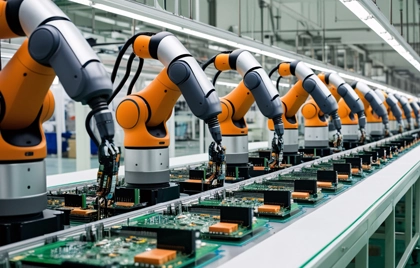
Quality control automation
Computer vision systems inspect products consistently and at fine levels of detail, identifying defects that can be difficult to detect through traditional quality control methods.
Quantum computing applications